Ordered by 15:00, shipped the same day! Free shipping starting CHF.- 80!



 B2b registration
  Client login
December 1, 2025 marked an important milestone: the consultation on the Cannabis Products Act (CanPG) has officially ended. As an industry association, IG Hemp has submitted a detailed statement, which we as Swiss cannabis producers have scrutinized closely. Click here for the IG Hemp statement.
For us it is clear: the path is right, but the details will decide whether our industry is or is not. We summarize the most important demands of IG Hemp and supplement them with our view directly from the cultivation facility.
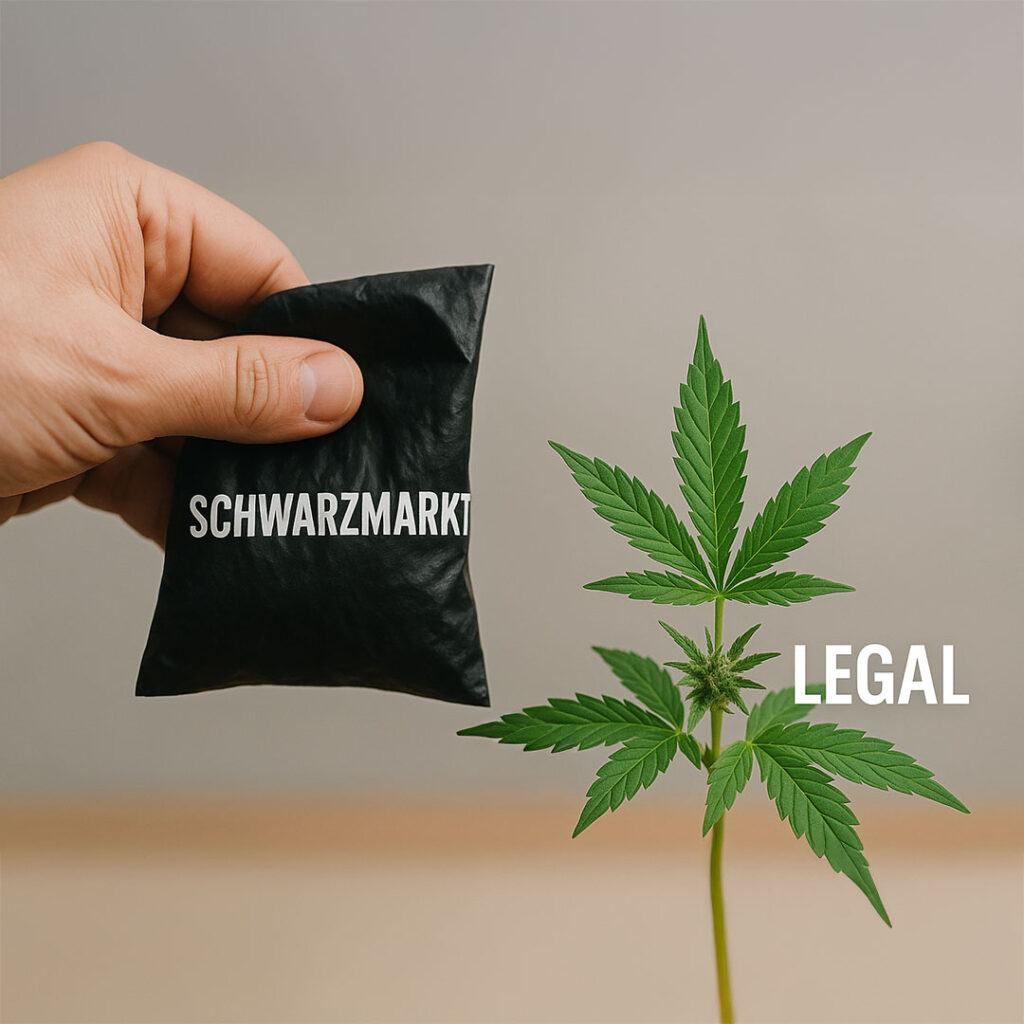
1. the fight against the black market
What IG Hemp says:
Regulation must not be an alibi exercise. If legal access is too complicated or the quality of the products is restricted, the black market will remain dominant. A functioning legal market is the most effective way to protect minors.
Our opinion as a Swiss producer:
We see what happens on the market every day. We can produce the cleanest and safest THC flowers – but if consumers only get them through hurdles, they will continue to go to the dealer around the corner. We don’t want to produce for the warehouse, we want to offer real, tested alternatives to uncontrolled street sales. Only an attractive legal market will allow us to implement our high quality standards economically in the THC sector.
2. market access: authorization instead of concession
What the IG Hemp says:
The association warns against a concession system in which licenses are awarded like in a lottery or are artificially scarce. It is calling for a licensing model: those who meet the strict legal requirements should be allowed to produce.
Our opinion as a Swiss producer:
For us, planning security is the be-all and end-all. We invest a lot of capital in technology, safety and personnel. A concession system would be an incalculable risk for us. We need the certainty that if we stick to the rules and work properly, we will be allowed to participate in the market. Free competition under strict conditions spurs us on to deliver the best quality – monopolies don’t do that.
3. realistic limit values: the 30% rule
What IG Hemp says:
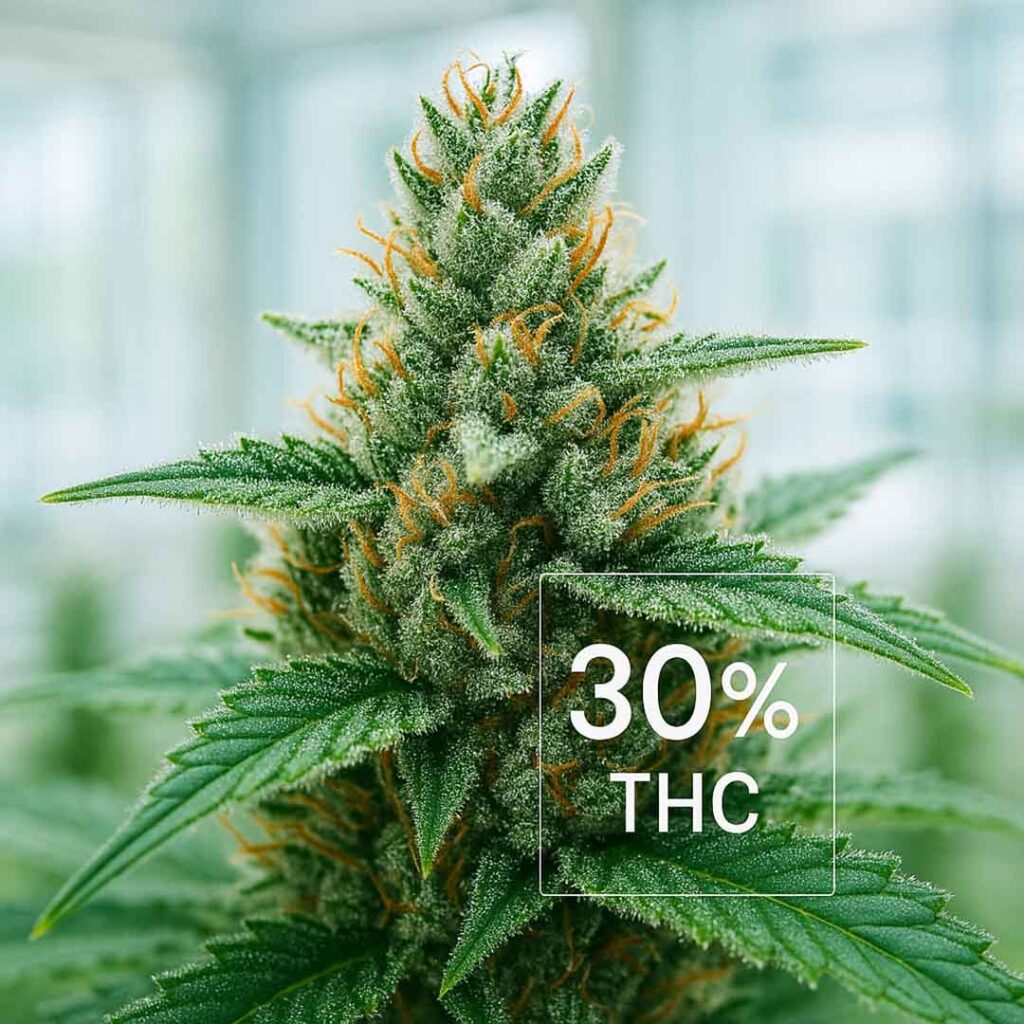
Based on data from the pilot trials, IG Hemp is calling for a THC upper limit for flowers of 30 percent. Reality shows that lower limits do not meet the needs of consumers.
Our opinion as a Swiss producer:
Cannabis is a natural product. Thanks to professional cultivation and optimal conditions, we can now naturally achieve higher levels of active ingredients without artificial additives. An arbitrarily low limit would mean that we would have to destroy top harvests or that they would be illegal, even though they are grown purely naturally. The 30% limit gives us the necessary leeway to legally reproduce the full genetic diversity of the plant.
4. priority for “Swiss Made”
What IG Hemp says:
Value creation should remain in Switzerland. IG Hemp is committed to giving priority to domestic production in order to build a sustainable industry and minimize imports.
Our opinion as a Swiss producer:
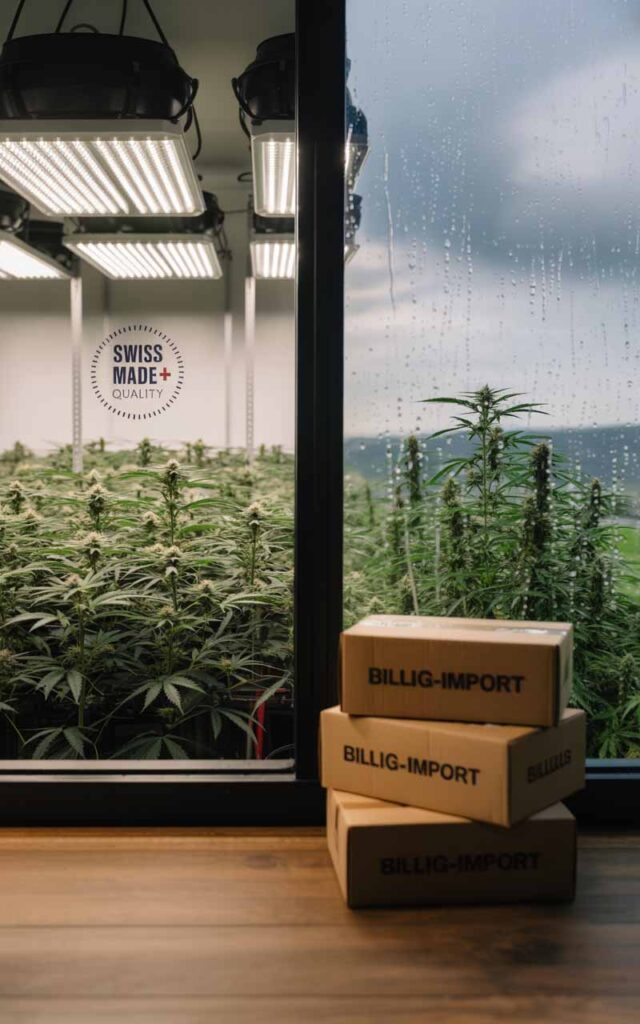
We stand for Swiss quality. But that also means Swiss wages, Swiss rents and Swiss energy standards. If the market is flooded with cheap imported cannabis from countries with significantly lower production and environmental standards, we as local producers don’t stand a fair chance. We are prepared to meet Switzerland’s needs – sustainably, responsibly and with short transportation routes. But this requires a law that protects and strengthens our local agriculture.
However, the reality on the CBD market is currently different than we would wish. The Swiss market is increasingly being flooded by Italian and French products – a development that we view with concern. At the same time, we have to be realistic about the climatic conditions in Switzerland: We have neither a Côte d’Azur nor a Sardinian climate. In wet years – as happened in 2024 – an entire harvest can become unusable.
But what happens then? Who supplies the products that local consumers expect?
This is precisely where we would like to see a pragmatic approach. Whenever the Swiss market can supply sufficient high-quality goods, we will of course give preference to sourcing them. However, if this is not the case, we need solutions that can also extend beyond national borders. The year 2024 impressively demonstrated how fragile the supply situation becomes when domestic production collapses due to the weather.
It is therefore crucial to carefully examine whether the path currently proposed is really the right one – in the interests of both producers and consumers. We are faced with the task of combining security of supply, quality and sustainability. This requires flexible, realistic regulations that meet the actual challenges of the market.

Conclusion: 2025 – The ball is in Bern (and it will take some time)
Of course, everything will continue at the usual political “Swiss pace”. We hope for a law with a sense of proportion – one that does not shackle us producers, but enables us to build a safe and high-quality luxury food market.
The Health Committee has extended the business again. This means two more years of deliberations until 2027, while waiting for the first pilot trials to be completed so that they can serve as a basis for politicians’ decisions.
We are also assuming that the SVP will probably launch a referendum in 2028. Here, too, we expect that enough votes will be collected to force a referendum.
And yet we are optimistic.
Why? Because we believe that Switzerland will once again opt for a modern solution with pragmatism and a sense of reality – as it has done historically with alcohol and most recently with the issue of “marriage for all”.
An important point: the older generation is increasingly turning to cannabis products, breaking down prejudices and experiencing the benefits for themselves compared to alcohol or medication. And it is precisely this age group that represents the strongest voter base.
That is why we are looking to the future with confidence: patiently, constructively and convinced that Switzerland is ready for a regulated, responsible cannabis policy.