Ordered by 15:00, shipped the same day! Free shipping starting CHF.- 80!



 B2b registration
  Client login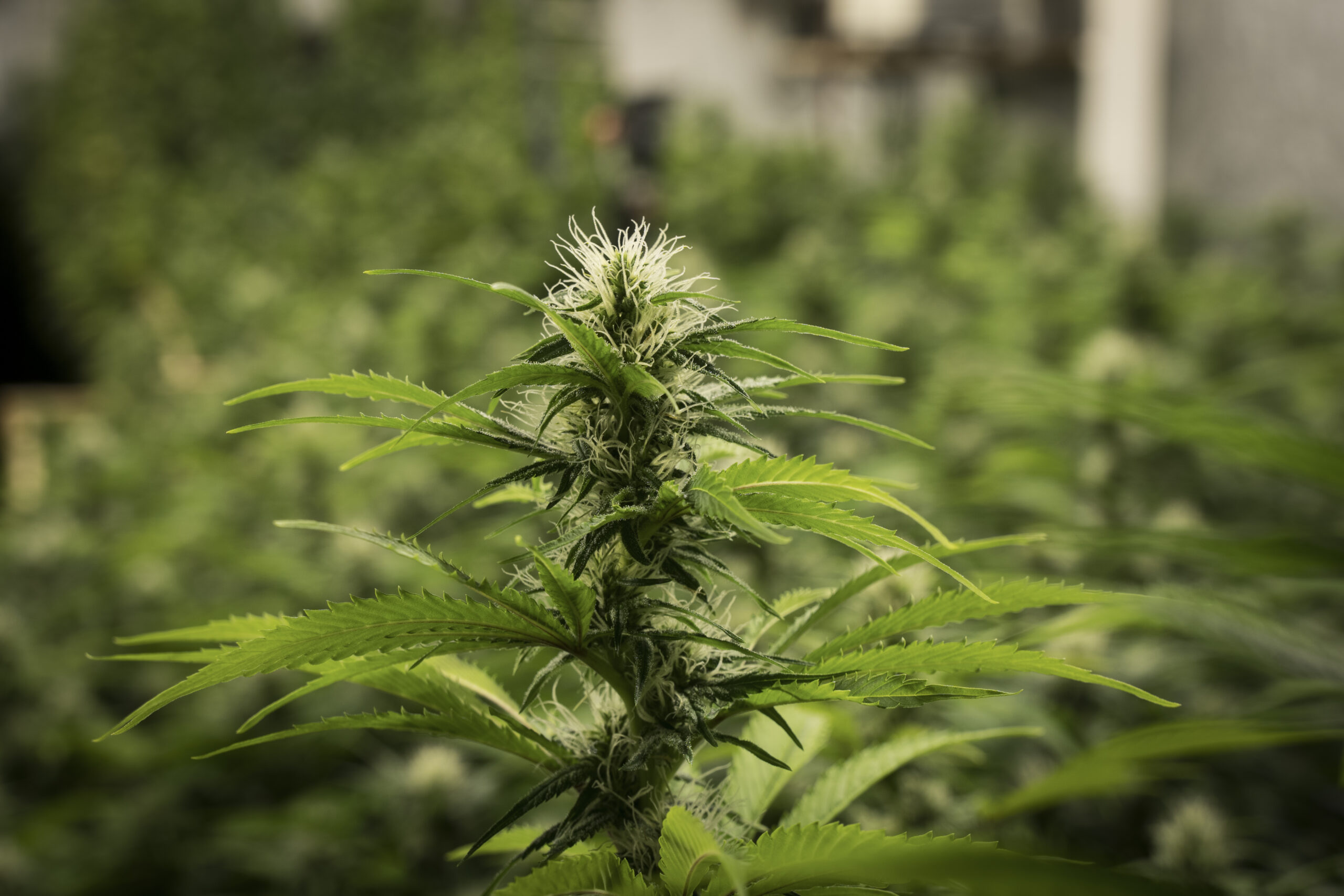
Cannabis is a versatile plant that has been grown in many cultures for centuries. However, the botanical basis of cannabis is often misunderstood or even unknown. In this article we will look at the botany of cannabis and explain the different aspects of growing and harvesting this plant.
Cannabis is (as a rule) grown as an annual plant. The plant has a characteristic structure, which consists of flowers, leaves, stems and roots. The flowers are the most important components of the plant, as they contain the cannabinoids responsible for its medicinal and psychoactive effects.
The types of cannabis
Cannabis is often classified into two types: Cannabis sativa and Cannabis indica. From a botanical perspective, however, this classification makes little sense—more on this in this article on the topic.
The cultivation of cannabis
Cannabis is usually grown from seeds or cuttings. There are different cultivation methods, including indoor cultivation, outdoor cultivation and hydroponics. However, it is important for us to emphasize that all of our hemp plants grow in natural soil, as befits the high-quality cultivation of plants. When growing cannabis, various factors such as light, temperature, humidity, and nutrients must be taken into account in order to achieve maximum harvest.
The harvest of cannabis
Cannabis is harvested when the flowers are ripe and rich in cannabinoids. The harvest time depends on the variety and the cultivation system. After harvesting, the cannabis is dried and then either further processed or consumed.
The active ingredients of cannabis
Cannabis contains a wide variety of cannabinoids. Cannabinoids are chemical compounds that activate the receptors in our body’s “endocannabinoid system.” As a result, cannabinoids have a direct effect on our bodies. Today, more than 113 different cannabinoids are known, including THC and CBD, which are recognized for their medicinal and psychoactive effects. THC is responsible for the intoxicating effect, while CBD is known for its anti-inflammatory and anxiety-relieving properties. Full-spectrum products, which contain all the active compounds of the hemp plant, are said to be the most effective due to the “entourage effect.”
Besides cannabinoids, terpenes are the most important active substances of the hemp plant. They are responsible for the characteristic scent of the different varieties and influence the effect of the products.
The botany of cannabis is an important aspect for anyone interested in growing, harvesting, and using cannabis. Understanding the botanical basis of cannabis can help ensure a successful harvest and better understand the medicinal and psychoactive effects of cannabis.